Travel Planning
Best Time to Visit Marrakech: Season-by-Season Climate Guide
Marrakech welcomes travelers year-round, yet each season transforms how you experience the medina, the High Atlas Mountains, Essaouira, and the Sahara Desert.
Marrakech enjoys abundant sunshine throughout the year, framed by a semi-arid climate where temperatures shift dramatically between bright midday warmth and crisp nights. Choosing the best time to visit depends less on avoiding “bad” months and more on matching your planned experiences—medina wandering, Atlas walking, coastal breezes, or Sahara dunes—to the right season.
Spring (March to May) — Ideal All-Round Balance
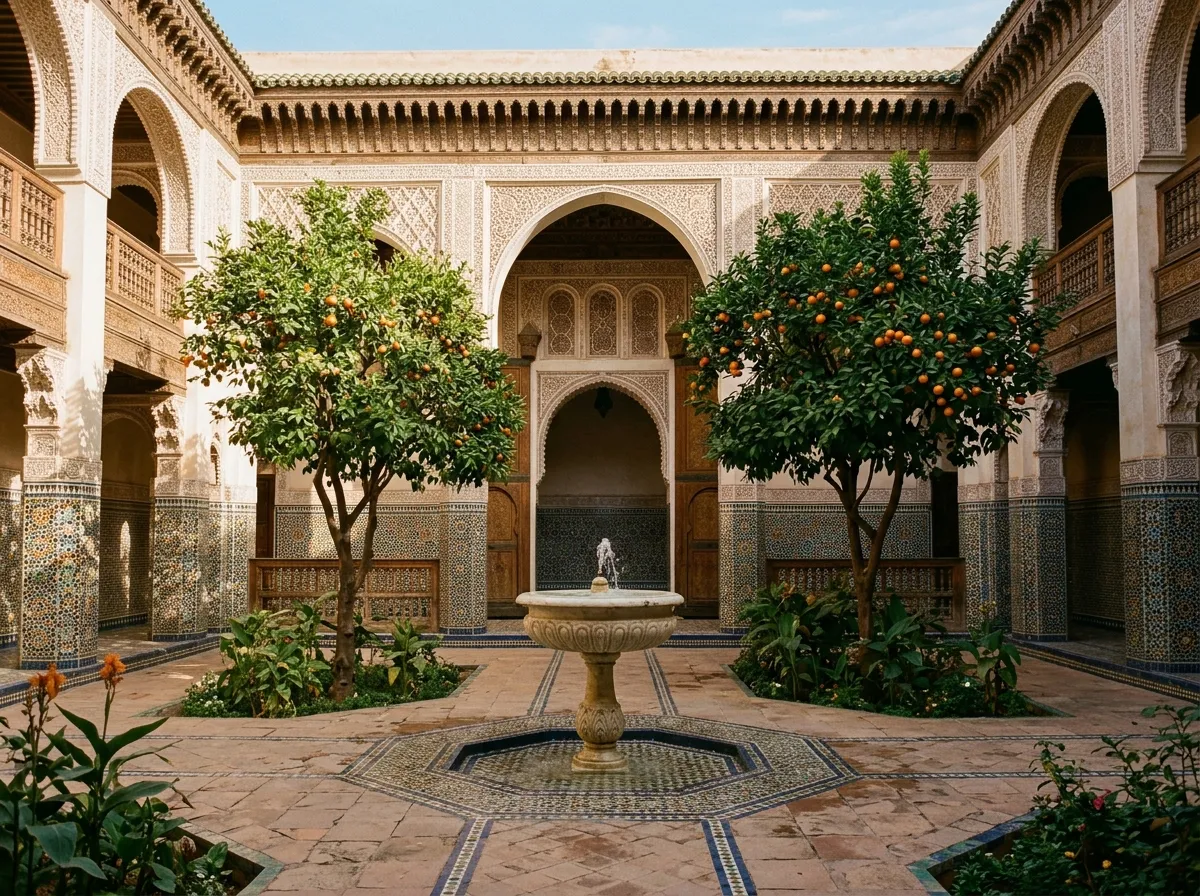
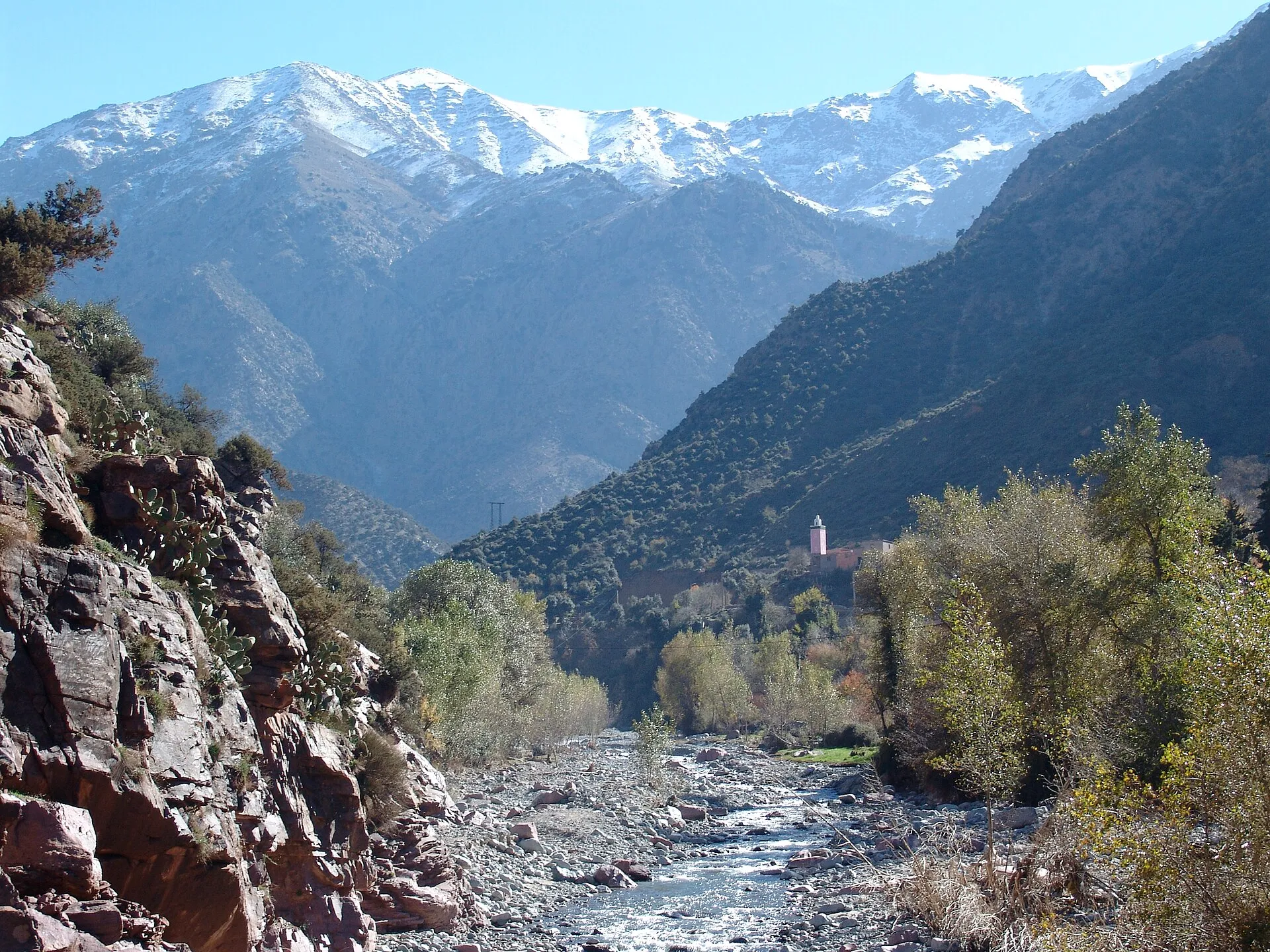
Spring is widely considered Marrakech’s signature season. Daytime temperatures are pleasantly warm for walking through historic palaces and souks, gardens burst into blossom, snow still dusts the highest High Atlas peaks, and river valleys like Ourika and Imlil look remarkably green.
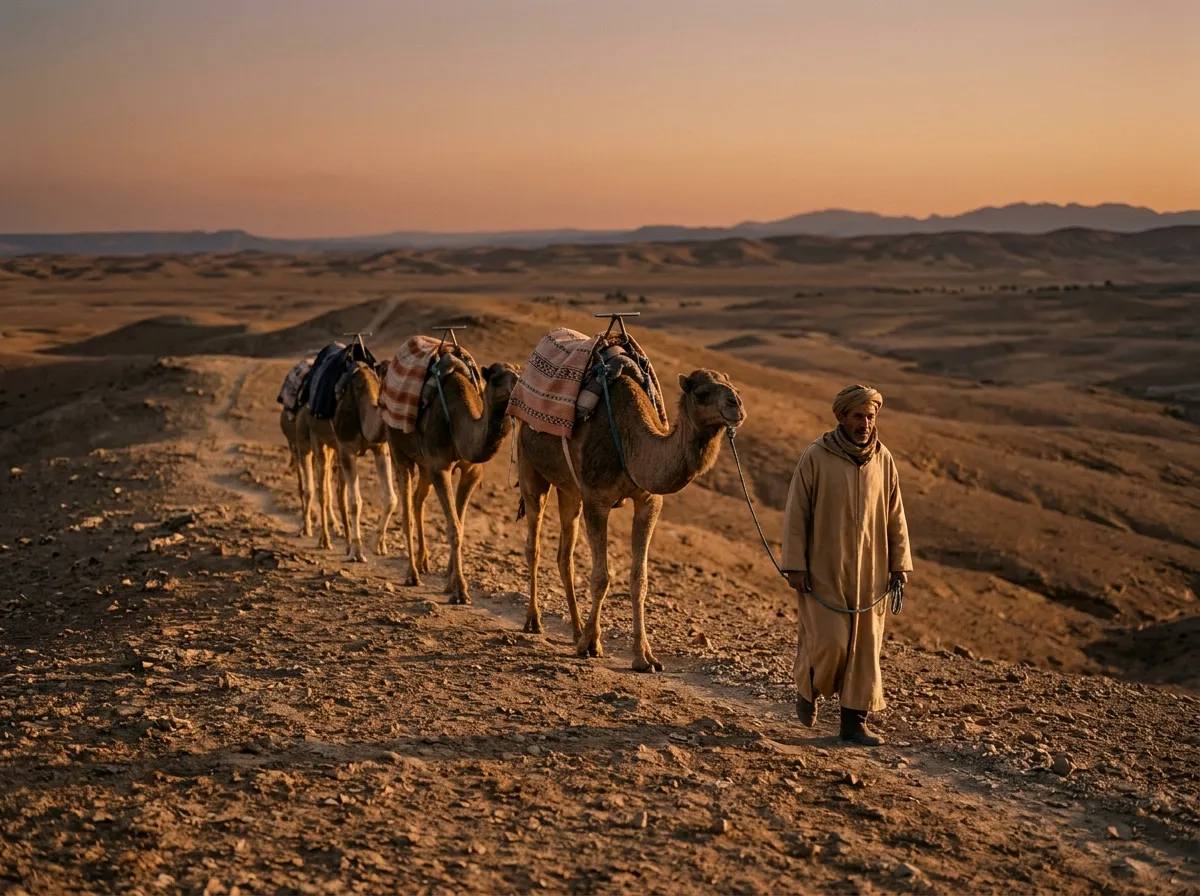
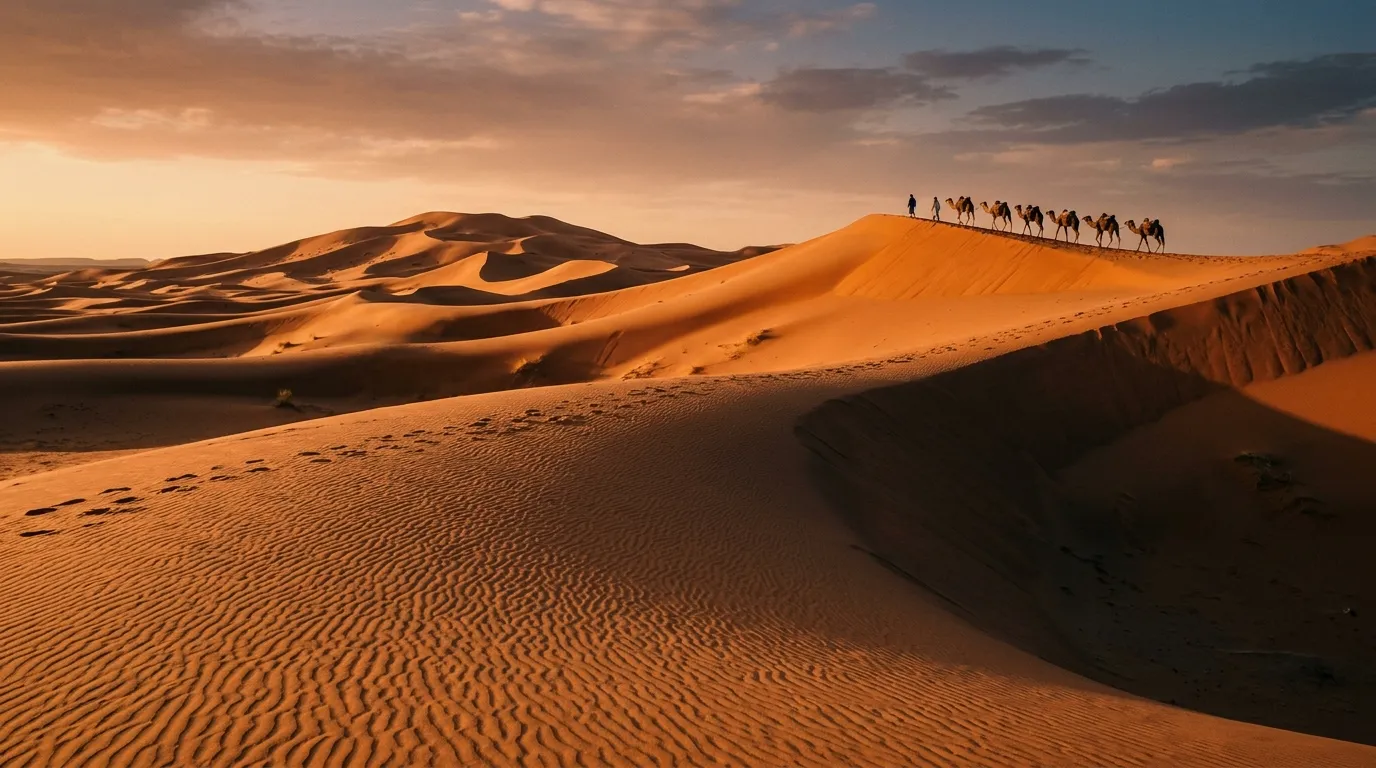
It is also prime time for multi-day Sahara Desert Tours to Merzouga, offering comfortable afternoons and mild starry evenings in Erg Chebbi. Because spring is popular with European and international travelers, arranging private tours and desert stays early is advisable.
Autumn (Late September to November) — Golden Light & Desert Perfection
As summer heat fades in late September, October and November bring clear skies, golden photographic light, and warm daytime weather across southern Morocco. Autumn rivals spring as the finest window for combining a Guided Marrakech City Tour with an overland Sahara journey or sunset evening in the Agafay Desert.
Winter (December to February) — Sunny Days & Crisp Mountain Air
Winter surprises many first-time visitors with bright blue skies and comfortably mild afternoon sunshine in Marrakech—making sightseeing on foot effortless without intense heat.
Keep two details in mind for winter travel:
- Evenings cool rapidly after sunset, especially inside traditional courtyard riads and desert camps.
- High Atlas snow creates unforgettable panoramas from Marrakech rooftops, though mountain trails around Imlil and passes like Tizi n’Tichka feel wintry and require warm layers.
Summer (June to August) — Slow Rhythms & Coastal Escapes
Midday summer temperatures in Marrakech and the Sahara are intensely hot, yet travelers visiting in June, July, or August can still craft a wonderful trip with thoughtful pacing:
- Begin city walks and hot air balloon flights early in the morning.
- Spend peak afternoon heat relaxing by a riad courtyard pool, taking an indoor cooking class, or visiting a cool Moroccan hammam.
- Plan refreshing day trips to breezy Essaouira on the Atlantic coast or shaded mountain streams in Ourika Valley.
Planning around specific travel dates? Share your month of travel via our Contact Page and we will recommend the best-suited private routes.
Quick Answers